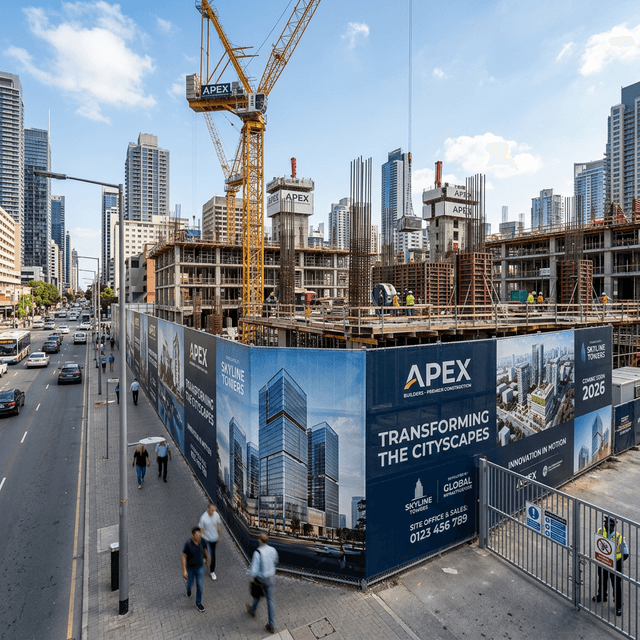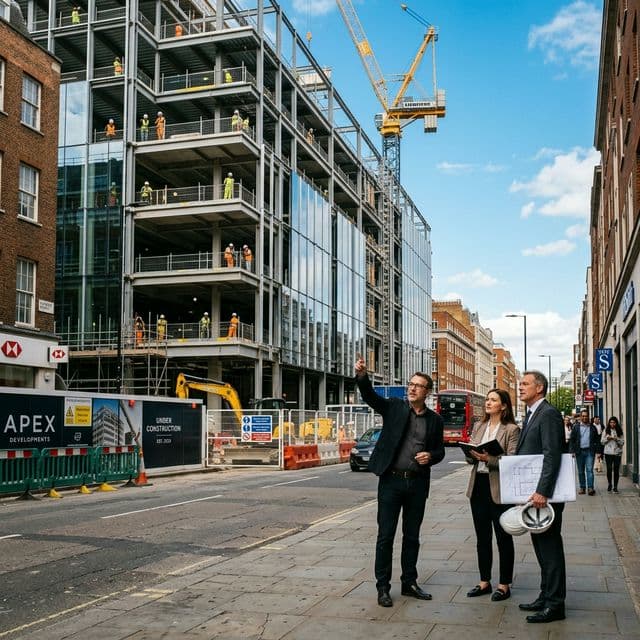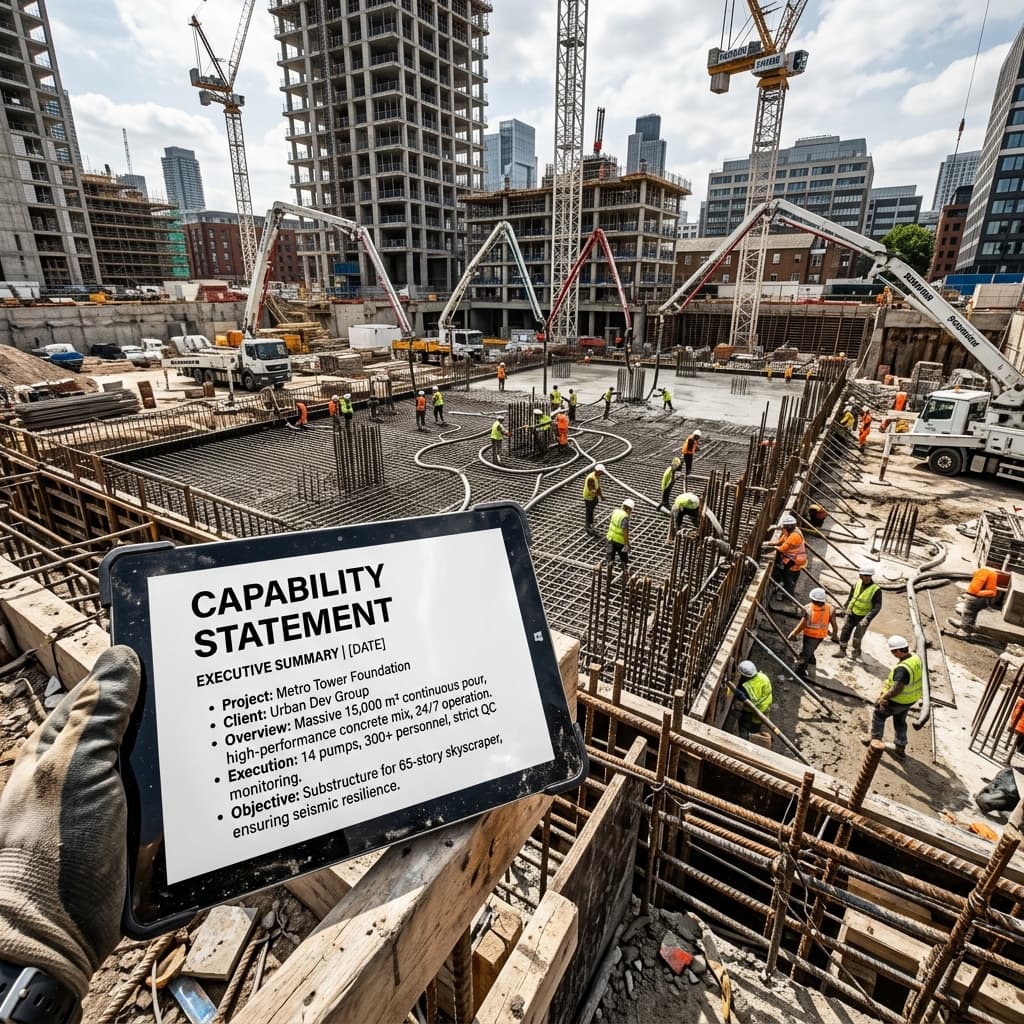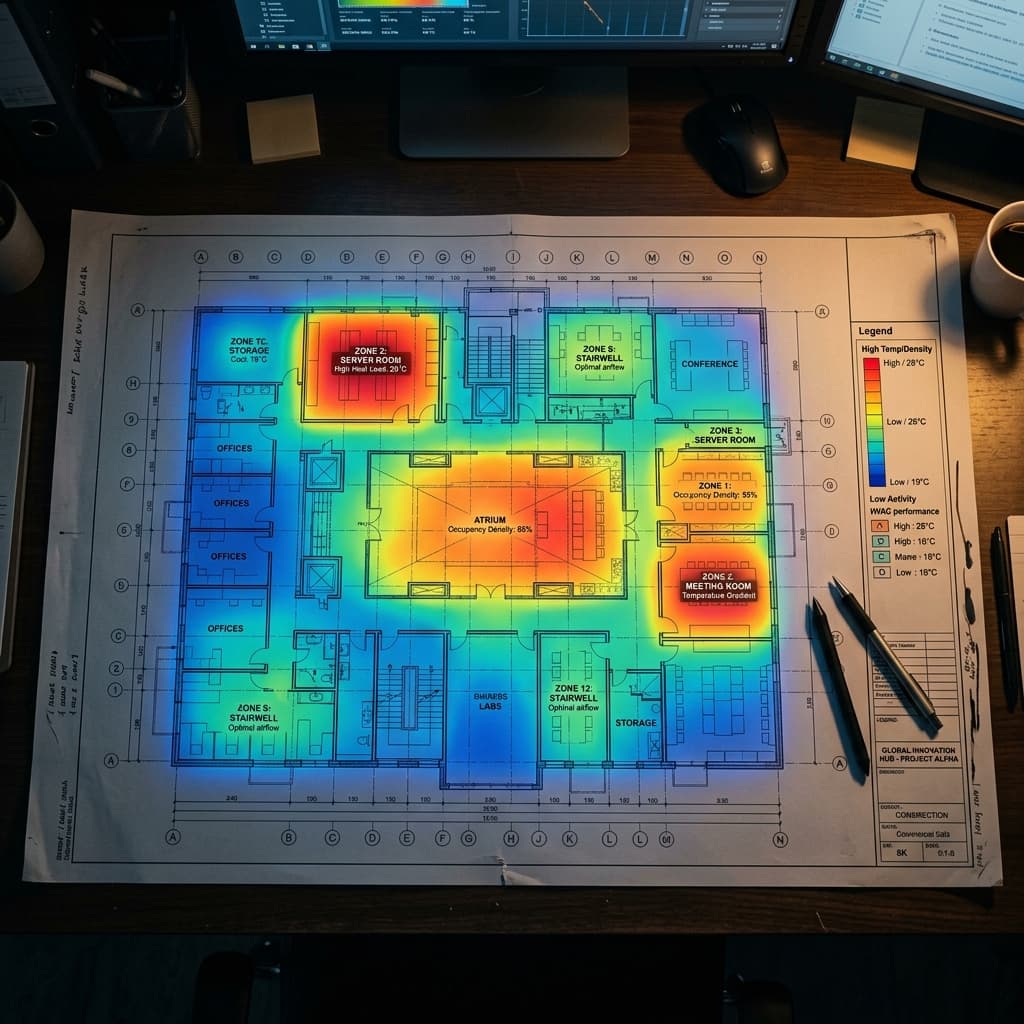
There is a systemic, catastrophic friction point built into the core DNA of commercial construction: the hostile disconnect between the architect who draws the plans and the general contractor who has to somehow build them without going bankrupt. For decades, developers have suffered through the agonizing "Design-Bid-Build" meat grinder—a process marked by endless change orders, toxic finger-pointing, and completely blown budgets before the first piece of steel even hits the dirt. If you run a high-end Design-Build firm, your marketing should not be a soft, pretentious gallery of "beautiful architecture." That is a boutique luxury mindset, and it fails in the B2B logistics sector. Your marketing must aggressively, violently attack the cost of friction. You do not sell blueprints. You sell unified execution. You sell single-point-of-responsibility risk abatement. This is the exact blueprint for communicating that elite authority to real estate developers.

The Toxicity of "Design-Bid-Build" Communcation
To understand how to market Design-Build, you must first deeply understand exactly what your clients hate about the traditional model. In a standard Design-Bid-Build scenario, a massive Real Estate Investment Trust (REIT) hires an architect. The architect draws a stunning geometric concept. It looks beautiful on paper. Then, it goes out to bid. The general contractors look at the plans and instantly realize the structural steel spans are economically unfeasible.
Now the war begins. The contractor submits a wildly inflated bid to cover the risk. The architect gets defensive. The developer gets hit with massive change orders (RFI's) because the plans clash with reality. The project timeline detonates.
When marketing your Design-Build firm, you explicitly call out this toxic dynamic. Your messaging must communicate: "When you hire us, the architect and the structural engineer and the project manager all sit at the same table, working for the same company, operating under the exact same budget constraints from Day 1." You eliminate the blame game. Your entire digital footprint must radiate this singular concept of integrated accountability.

The Core Messaging Pivot: Selling Pre-Construction Velocity
Most architecture and design firms market themselves by plastering their website with hyper-stylized minimalist photographs of staircases. This is absolutely useless to a commercial developer who needs to build a $40 Million medical plaza. That developer doesn't care about your artistic vision; they care about capitalization rates, yield-on-cost, and time-to-market.
The Esthetics Trap
If your website's primary headline is "Designing Beautiful Spaces," you have already lost the $10M+ B2B contracts to your competitors. A developer sees "Beautiful Spaces" and immediately translates it to "Expensive, slow, and overly emotional about paint colors." Your headline must be ruthless. It should read: "Accelerating $20M Commercial Project Deliveries Through Unified Architectural and Construction Engineering."
Your marketing must pivot sharply away from selling the *design* and aggressively toward selling the *Pre-Construction Velocity*. High-ticket developers are financially bleeding every single day a project sits in permitting and pre-con. You market the fact that because you control both the CAD drawings and the excavators, you can begin site prep while the final interior design phases are still underway (fast-tracking). That is a highly marketable financial weapon.
Structuring the Design-Build Website Architecture
Your digital presence must prove integration. To do this, you cannot have a simple "About Us" page. You need a highly technical "Process Matrix" page.
1The Transparent Value Engineering Hub
Create a dedicated page explaining "Value Engineering" in the context of Design-Build. Specifically detail how your estimators look at the architect's wireframes in real-time. Show an example: "In Project X, our internal estimators realized the specified HVAC routing would add $450k in structural steel reinforcements. Within 4 hours, our architect redesigned the plenum space, eliminating the steel requirement and saving the client half a million dollars before permits were even pulled." This creates an instant psychological anchor in the client's brain.
2The Financial Risk Transfer Argument
B2B execution is about transferring risk. When a developer hires a separate architect and GC, the developer holds the "Design Gap Risk." If the drawings are flawed, the developer pays the GC the change order. In Design-Build, your firm holds the risk. Build an entire landing page addressing this explicitly: "Single-Contract Accountability: We eat the cost of our own architectural clashes." This is the ultimate, undeniable closing technique.

The LinkedIn & B2B Cold Outreach Attack Vector
Once your digital fortress is built with this highly aggressive messaging, you stop doing broad SEO and you begin surgical account-based targeting.
You find the VP of Real Estate for a regional hospital network. You do not send them an email saying, "We are an award-winning design-build firm." You send a hyper-targeted message: "I know the board is pressuring you to execute the new outpatient wing without exceeding the $18M bond measure. Standard bid processes will result in 15% change-order creep. Our internal design-build matrix guarantees a hard-cost ceiling at 30% design completion. Let's look at the data."
Deploying the "Autopsy" Content Strategy
The most powerful content you can write on LinkedIn is the "Project Autopsy." Write a detailed post breaking down exactly why a standard bid-build project in your city (without naming names) went $4M over budget simply due to architectural miscommunications with subcontractors. Then, relentlessly contrast that with the integrated precision of your in-house BIM (Building Information Modeling) coordination. Executives don't read generic fluff, but they ravenously consume operational autopsies.
The Premium Closing Command

When a high-net-worth real estate syndicate makes the decision to award a $30M design-build contract, they are entirely outsourcing their anxiety. Your marketing must fiercely project the idea that your firm operates like an elite military unit. No excuses. No inter-departmental friction. The blueprints are perfect because the people building them wrote them. When you clearly articulate this extreme ownership model, you completely bypass the commodity bidding war. Developers will hire you explicitly to protect themselves from the chaos of the standard construction industry.

Stop Selling Drawings. Sell Certainty.
Are you a high-end Design-Build firm losing massive commercial contracts to disjointed, low-bid competitors because your marketing makes you look like a boutique architecture studio rather than an indomitable logistics powerhouse? Lemonade Ideas architects the digital presence that annihilates friction and commands absolute corporate authority.
Engineer Your Integrated Brand ArsenalYou may also find valuable

Trade Show Marketing: Why 90% of Contractors Burn Cash (And How to Actually ROI)
March 18, 2026
Architect Referral Programs: Why Bringing Donuts to the Firm is a Pathetic Strategy
March 17, 2026
Commercial Builder Marketing: Winning $10M+ Contracts
April 9, 2026